Aluminum Wiring Remediation
COPALUM, AlumiConn, and CO/ALR device remediation for aluminum branch-circuit homes built in the 1960s-80s across Utah County, Salt Lake County, and the Wasatch Front.
COPALUM, AlumiConn, and CO/ALR remediation for homes with 1965–1973 aluminum branch wiring
If your home was built roughly 1965 to 1973, there's a decent chance the branch circuits are solid aluminum instead of copper. The Consumer Product Safety Commission flagged this wiring in the 1970s because aluminum expands and contracts differently than copper at every connection — switches, outlets, splices — and over decades those connections can loosen and heat up. The wire itself is fine; the connection points are the risk.
There are three recognized remediation approaches: COPALUM crimps (a special tool-and-crimp system), AlumiConn connectors (small purple terminal blocks), or CO/ALR-rated devices on every outlet and switch. We walk your home, count devices and junction points, talk through insurance requirements, and tell you honestly which approach fits your situation. Most homeowners end up on AlumiConn because it's inspector-accepted, insurer-accepted, and reversible if something changes later.
The CPSC's original estimate — that homes with aluminum branch wiring and untreated connections are roughly 55 times more likely to have at least one connection reaching "fire hazard conditions" than copper — is where the whole conversation started. That number is specifically about untreated connections, meaning the original 1960s/70s wire nuts and standard outlets. Properly remediated aluminum, using listed and torque-rated connectors, isn't in that risk category. Remediation is what moves you from one bucket to the other.
We've worked on aluminum-wired homes across Utah County — a lot of Orem and Provo neighborhoods built in that window — and Salt Lake County, especially in Sandy, Cottonwood Heights, and parts of West Jordan where tract-home development hit during the aluminum era. The pattern is similar: homeowner's insurance carrier flags it at renewal or during a sale inspection, the homeowner calls us, we walk through the three options, and we scope it per device and per junction. There's no mystery or surprise.
Caddis is Tyler Thorn's shop out of Springville. On aluminum work specifically, we take the time to count every device and every accessible junction box before quoting, because that's the only way to give you a real number. A home with 60 devices and open attic access is a very different scope than a 90-device home with finished basement ceilings and plaster walls in the main floor. We'd rather spend 90 minutes walking it with you than send a one-size-fits-all number.
Signs it’s time.
Your insurance carrier flagged aluminum wiring
A lot of carriers now require remediation before they'll renew or write a policy. We produce the documentation they ask for.
You smell plastic or notice warm outlets or switches
Warm devices in an aluminum-wired home are a real warning sign — a loose aluminum connection is heating up. Don't wait on this one.
Buying or selling a 1965-1973 home
The inspector almost always flags it. Remediating before listing (or before closing) is usually smoother than negotiating it as a credit.
You're remodeling and the walls are already open
If drywall is coming off anyway, that's the right moment to remediate aluminum branch wiring. Costs less and we can access more connections.
Our process, step by step.
No mystery, no sales games. Here’s exactly what happens from the first phone call to the final inspection.
Initial walkthrough and device count
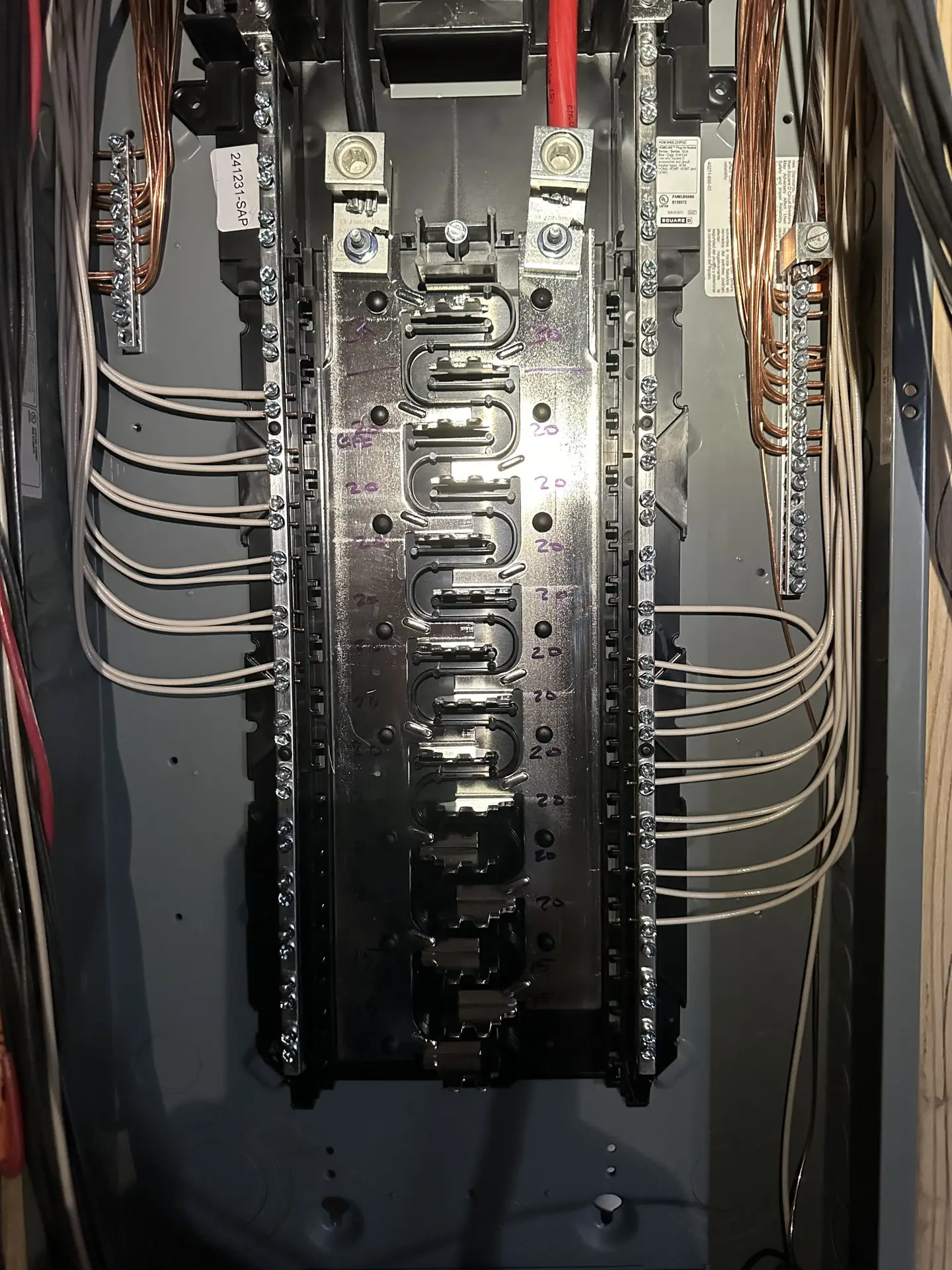
First visit, we go room by room, count every outlet, switch, light fixture, smoke detector, and accessible junction box, open your panel, and verify aluminum branch wiring is actually present (and where). We note access challenges — plaster walls, finished basement ceilings, inaccessible attic — because those drive scope.
Choose the remediation method together
We walk you through COPALUM, AlumiConn, and CO/ALR — the tradeoffs on cost, reversibility, insurer acceptance, and permanence. For most Utah homes we recommend AlumiConn, but if your insurance carrier specifies something or you want COPALUM-level permanence, we'll quote that.
Written per-device quote
You get a quote that's priced per device and per junction, not a single lump number. If you want to see the math, we'll show you — this is a job where transparency matters because the scope is directly tied to count.
Pull permit and schedule inspection
Most Utah cities require a permit for aluminum remediation. We pull it, schedule rough-in and final inspections, and attend both. The inspector verifies our method and torque spec, which is also what your insurance carrier wants to see.
Remediate device-by-device
We work systematically through the house — breaker off, open the box, cut back the aluminum conductor, land it in the AlumiConn (or crimp with COPALUM, or replace with CO/ALR device), torque to spec, verify, label the box as remediated, close up. Panel-side gets the same treatment where aluminum lands on breaker lugs.
Panel work and junction audit
In the panel, we pigtail aluminum branches to copper leads with listed connectors so the breakers see copper. We check every junction box we can access — not just the ones with devices — because splices in boxes are the places inspectors sometimes miss.
Final inspection and insurance documentation
City inspector signs off. We assemble a documentation package — permit, inspection sign-off, photos of remediated connections, list of devices and junctions treated — and send it to you (and your insurance carrier if you want). Policy renewed, home safer, done.
Our scope for this job.
- Full home audit: every device, every accessible junction box, panel included
- AlumiConn connectors on every aluminum-to-copper transition (not generic twist-on wire nuts)
- Device-by-device replacement with CO/ALR rated outlets and switches where that's the chosen approach
- Panel-side pigtailing where aluminum branch meets the breaker lugs
- Documentation package for your insurance carrier
- Permit and electrical inspection in cities that require it
- Clear labeling of which connections have been remediated vs. not
What people ask about aluminum wiring.
Is aluminum wiring actually dangerous, or is this overblown?
It's the connections, not the wire. Aluminum branch circuits with properly made connections — using the right method, the right devices, and the right technique — are safe. Aluminum branch circuits connected with the standard twist-on wire nuts and generic outlets from the 1960s–70s are not. The CPSC estimated the fire risk at roughly 55 times higher than copper for those untreated connections, which is why remediation exists.
What's the difference between COPALUM, AlumiConn, and CO/ALR?
COPALUM is a specialized crimp system — permanent, highly rated, requires a certified installer with the right tool. AlumiConn is a small terminal block that pigtails aluminum to copper with a specific torque spec — widely accepted by inspectors and insurers, and what most installers in Utah use today. CO/ALR means replacing every outlet and switch with devices rated for direct aluminum connection. All three work; we help you pick based on scope, budget, and insurance requirements.
Can I just pigtail with regular wire nuts and call it done?
No. Standard wire nuts are not rated for aluminum-to-copper connections, and that's exactly how most of the original failures happened. Any remediation we do uses listed and torque-rated connectors specifically for aluminum.
How is this priced?
It scales with the device count and how accessible the junction boxes are. A home with 60 devices and open attic access is a very different job than a 90-device home with finished basement ceilings. We walk through, count, and quote per-device plus panel work — nothing hidden.
Does my whole house need to be done at once?
Ideally, yes — insurers and inspectors generally want the full home remediated, not piecemeal. We can phase it if there's a real reason to (budget, remodel schedule), but we'll be upfront that partial remediation doesn't usually satisfy a carrier.
How do I know if I actually have aluminum wiring?
Easiest check: open your panel and look at the branch circuit conductors coming into the breakers. Aluminum branch wiring is silvery-gray and typically marked "AL" or "ALUMINUM" on the cable jacket. You might also see it stamped on cable in exposed basement or attic runs. If you're not sure, we'll come look and tell you in five minutes — no charge for a quick check.
What about aluminum service entrance wiring — same problem?
No, different animal. Larger-gauge aluminum used for the service entrance (from the meter to the panel) and for feeders to sub-panels was never the issue — those terminations are designed for aluminum and are routinely used today. The CPSC concern was specifically about smaller solid aluminum branch circuit wire (10 AWG and 12 AWG) used from the panel out to switches and outlets.
Will my homeowner's insurance give me a discount or require this?
Many carriers now require remediation to issue or renew a policy on aluminum-wired homes, and some offer reduced premiums or waive surcharges once remediation is documented and inspected. We produce the paperwork — permit, inspection sign-off, photos of connections — that your carrier's underwriting needs.
Can you remediate during a kitchen or basement remodel?
Absolutely — and that's often the right time. When walls are already open for remodel scope, we can access more junction boxes without opening new holes, which saves on scope. If you're remodeling an aluminum-wired home, loop us in early so we can coordinate the remediation with the rough-in schedule.
What's the warranty on an AlumiConn remediation?
AlumiConn connectors, when torqued correctly, are permanent. The connector manufacturer backs the hardware; our workmanship — correct torque, no shortcuts, every connection accounted for — is warrantied for the long haul. If a connection we made ever fails, we come back.
We serve Salt Lake County, Utah County, Wasatch County, Davis County from our Springville base. See all service areas →
Other things we handle.

Need an electrician for your Utah home?
Panel upgrades, EV chargers, generators, aluminum wiring, remodels, and everything in between — from a licensed, family-run team that takes the time to explain what we’re doing.