Standby Generator Installation
Whole-home standby generator installations (Generac, Kohler, Cummins) with automatic transfer switches, propane/natural-gas fuel connections, and permit-pulled commissioning.
Automatic standby generators and manual generator inlets, sized to what your home actually needs
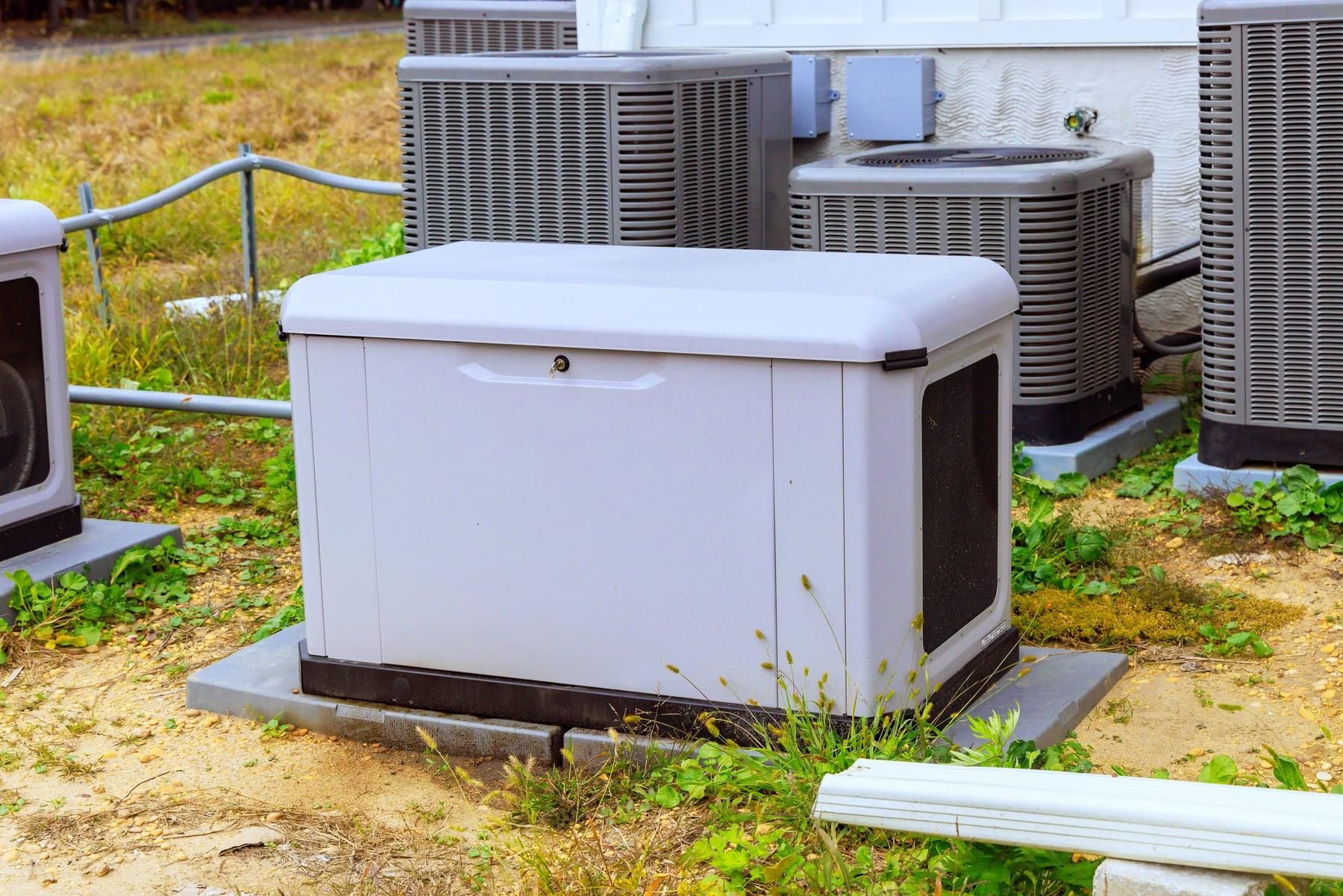
A standby generator is a Generac, Kohler, or Cummins unit sitting next to your house on a pad, wired to an automatic transfer switch, running on natural gas or propane. When Rocky Mountain Power drops, it starts within about 10 seconds and keeps essentials — or your whole house, depending on size — running until the grid comes back. We handle the electrical side, including the transfer switch, load calculations, and inspections; your plumber or the generator dealer handles the gas line.
A generator inlet is the simpler, cheaper cousin: an outdoor outlet wired through a manually operated interlock or small transfer switch, so you can plug in a portable generator during an outage and power selected circuits. It's a great fit for homeowners who have a portable generator already and just want to connect it safely without extension cords through a window.
Sizing is the single most important decision on a standby install, and we size off a real load calculation — not off a brochure. The common sizes are 10kW (essentials for a mid-size home: fridge, furnace blower, well pump if you have one, some lights, maybe one AC window unit), 14kW (whole-home except for central AC and electric range running simultaneously — most homes we do land here), and 22kW (basically everything, including central AC and electric cooking). Oversizing wastes money and increases fuel burn; undersizing means the generator trips offline when you need it most. We get it right.
NEC 702 (optional standby systems) is the code article that governs these installs — specifically the requirements for the transfer switch (automatic or manual), the bonding and grounding setup (the generator neutral is typically bonded only at the generator, not at the main panel, and the transfer switch handles the neutral switching if required), and the requirement that it's physically impossible to backfeed the utility (that's the entire point of the transfer switch). Permits and inspection are required in every city we work.
We're a family-run Springville shop, and generator work is a scope where it matters that you have an installer who shows up for the inspection and comes back if something goes sideways. Mountainside neighborhoods in Alpine and canyon-adjacent homes in Draper and Cottonwood Heights get hit by outages more than the Utah average — those are a lot of the standby installs we do. If you've been without power for a day and a half in the last year, you've already paid for part of a generator.
Signs it’s time.
You lose power multiple times a year
Mountain-side neighborhoods and some canyon-adjacent areas on the Wasatch Front have outage counts far above the Utah average. If you've been without power for 48+ hours in the last year, you've already paid for part of a generator in frozen food and hotel stays.
You're on a well
Well pumps and septic lift pumps need power. No power means no water. A standby — or at minimum a generator inlet with the well pump wired to the backed-up circuits — fixes that immediately.
Someone in the house depends on medical equipment
CPAPs, oxygen concentrators, powered chairs, insulin refrigeration — these aren't nice-to-have. Automatic standby is the right call so no one has to think about it at 2am.
You have a home office or working from home
Lost workday revenue from one outage covers a surprising amount of a generator. For small-business owners working from home, this is a pure business decision.
Our process, step by step.
No mystery, no sales games. Here’s exactly what happens from the first phone call to the final inspection.
Load calculation and site walk
We come out, inventory what you want backed up (essentials-only vs. whole-home), check panel location, confirm gas service type and meter location, and talk through where the generator can sit based on setback requirements. The load calc output is a kW number — that's your generator size.
Pick the unit and transfer switch type
We walk through Generac, Kohler, and Cummins options at the right kW rating, plus whether an automatic transfer switch (ATS) at the main panel or a managed load center (which lets a smaller generator run a larger home by shedding loads intelligently) fits your situation.
Firm written quote
You get a line-item quote covering the generator, transfer switch, concrete pad, electrical work, permit, inspection, and startup. The gas line is usually broken out separately if we're coordinating with your plumber or the gas company.
Permit, utility, and gas coordination
We pull the electrical permit, coordinate with Dominion Energy or your plumber on the gas line scheduling, and sometimes coordinate with Rocky Mountain Power if the install affects service entrance work. Permit lead times vary by city — American Fork and Lehi are usually quick, some rural Wasatch County permits take longer.
Install the pad and generator
Pour or set the pad, position the generator per manufacturer spec and local setback rules, and bolt it down. We run conduit from the generator to the transfer switch, and the gas line stubs out from your plumber to the generator inlet connection.
Transfer switch and panel work
Install the automatic transfer switch adjacent to your main panel (or a managed load center if that's the path), wire the connection from the panel through the ATS and out to the generator, and verify neutral and ground bonding per NEC 702. For whole-home ATS, we re-feed the main panel through the switch so every circuit is covered.
Startup, inspection, and training
Once the gas line is live and the electrical is complete, we commission the generator — set the weekly exercise schedule, verify the ATS transfers correctly during a simulated outage, and run under load for a few minutes. City inspector signs off. We walk you through the control panel, how to read status LEDs, and what to do if a service light comes on.
Our scope for this job.
- Load calculation to size the generator (common sizes: 10kW, 14kW, 22kW)
- Automatic transfer switch (whole-home or managed essentials)
- Permit and inspection coordination with your city
- Concrete pad or composite pad sized and placed per manufacturer spec and setback rules
- Wiring from the generator to the transfer switch, transfer switch to the panel
- Coordination with your plumber or gas company on the gas line stub
- Startup, exercise schedule configuration, and a walkthrough so you know how to use it
What people ask about generators.
Standby or inlet — which one do I want?
Standby generators are automatic, run on natural gas or propane, and basically let you forget the power is out. Generator inlets are a much smaller scope of electrical work on top of a portable generator you already own — but they require you to go start the portable, and they only cover the circuits you pre-select. Both are legitimate options; we help you pick based on how often you lose power and whether you want it to be hands-off.
What size generator do I need?
It depends on whether you want essentials-only (well pump, fridge, furnace blower, some lights, maybe one AC) or whole-house including central AC and electric range. We do a load calculation — 10kW handles essentials for a mid-size home, 14kW is the common whole-home-except-big-AC size, 22kW is the "basically everything" tier. We don't oversell size; it's wasteful.
Natural gas or propane?
If your home already has natural gas, that's almost always the right fuel — unlimited runtime, no tank to fill, Dominion Energy keeps it flowing. Propane is the fallback for homes without gas service, and you'll want a buried tank sized for at least 48 hours of runtime at expected load.
What does an installed standby generator run?
The generator unit itself, the transfer switch, the pad, the electrical work, the gas line, the permit, and startup are the pieces. Sizing is the biggest driver, then transfer switch type (essentials vs. whole-home) and distance from the panel. We walk your home, do the load calc, and give you a firm quote broken out by line.
How often does a standby generator need service?
Manufacturers recommend an annual service — oil, filter, battery, visual inspection — plus the unit self-exercises weekly on a schedule we set with you. Most owners handle year 1 through the dealer; we're happy to recommend who's reliable locally.
Can I install a portable generator myself and just run extension cords?
Technically yes, but there are two major safety problems: cord runs through windows or doors are fire hazards, and if you ever get tempted to connect a portable to a dryer outlet to backfeed the panel, you can kill a Rocky Mountain Power lineman working to restore your service. The right solution is a generator inlet with a manual interlock — permitted, safe, and takes a one-day install.
How loud is a standby generator?
Modern units — Generac Guardian, Kohler 14RESA, Cummins QuietConnect — run roughly 60-70 dB at close range, which is comparable to a central AC unit. Setback rules in most Utah cities keep them at least five feet from any structure and typically five feet from a property line, which also keeps them away from bedroom windows. We help pick a location that's compliant and considerate to neighbors.
How long does an install take, start to finish?
From contract signing to a running generator is typically four to eight weeks, driven mostly by permit lead times, gas company scheduling for the gas line stub, and generator unit availability from the dealer. The actual on-site work is usually two to four days. We give you a realistic schedule up front — not a sales number that slips the day after you sign.
What's covered by the warranty?
The generator itself has a manufacturer warranty — Generac is typically 5 years on the Guardian line, Kohler and Cummins run 5 years as well. Our electrical workmanship is warrantied for the long haul. The gas line installation is typically warrantied by whoever installed it (your plumber or the gas company). We make sure you know who to call for what.
Will a standby generator run my central AC?
Depends on sizing. A 10kW unit usually can't start a central AC compressor (the inrush current is too high). A 14kW with a soft-start kit on the AC compressor usually can. A 22kW handles a central AC without any special startup help. If keeping your AC running during a summer outage matters, we size for that specifically.
We serve Salt Lake County, Utah County, Wasatch County, Davis County from our Springville base. See all service areas →
Other things we handle.
Need an electrician for your Utah home?
Panel upgrades, EV chargers, generators, aluminum wiring, remodels, and everything in between — from a licensed, family-run team that takes the time to explain what we’re doing.