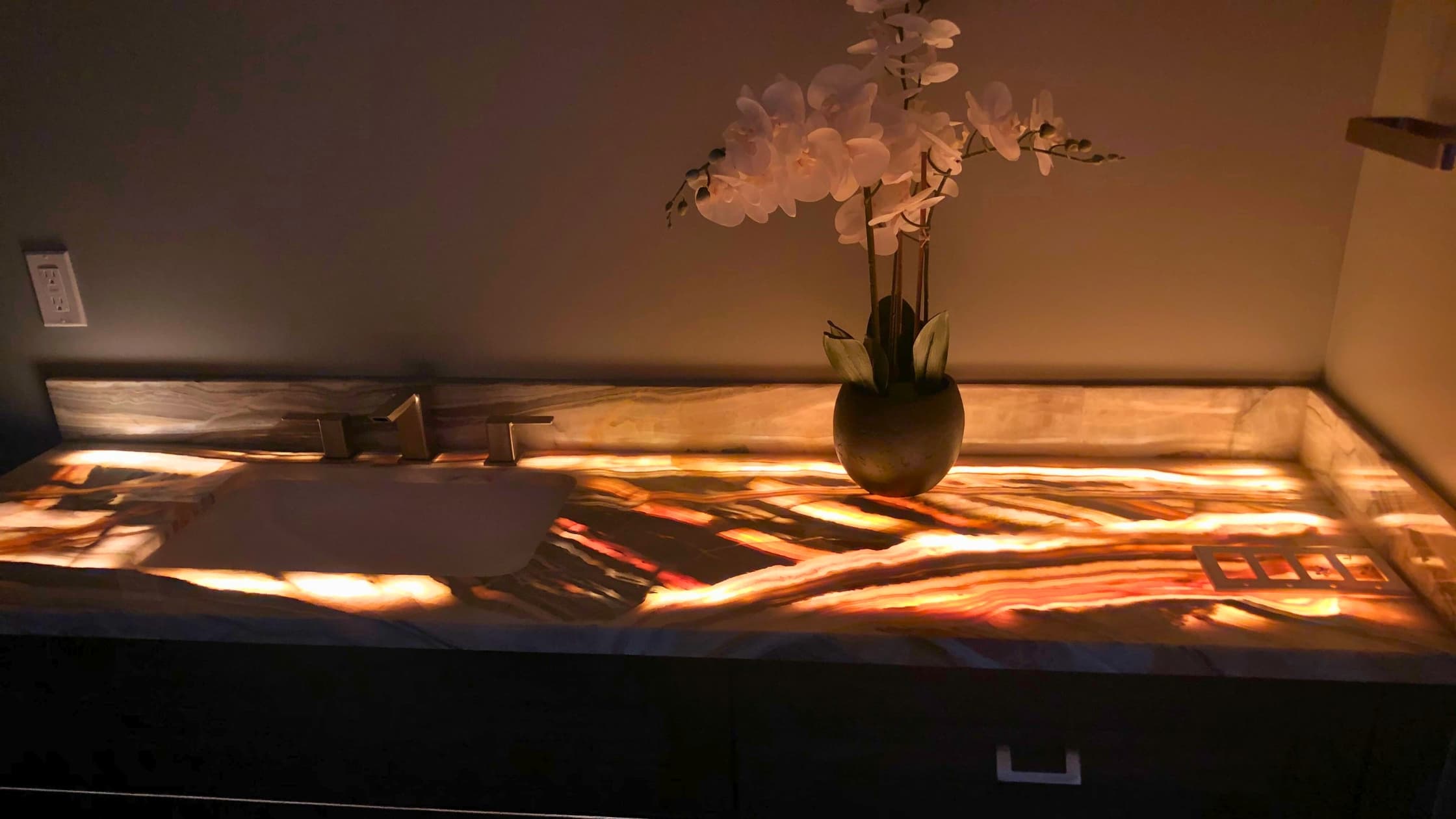
Dedicated Circuits
Dedicated 20A, 30A, and 50A circuits for ovens, dryers, HVAC, well pumps, hot tubs, workshop equipment, and server rooms. Pulled, terminated, labeled, inspected.
20A, 30A, 40A, and 50A dedicated circuits for ovens, dryers, hot tubs, workshops, and home offices
A dedicated circuit is just that — one circuit, one appliance, no sharing. It's what the code requires (and common sense agrees) for anything that pulls serious current or that you don't want sharing a trip with the fridge. We run dedicated circuits for ranges, cooktops, double ovens, electric dryers, hot tubs, welders, home workshops, home offices with heavy computer loads, mini-splits, and freezer runs out in the garage.
The common thread is: we size the breaker and the wire to the actual load (not what someone guessed), pull a permit when the city requires it, and make sure the GFCI or AFCI protection is in place where NEC requires it. Hot tubs in particular need GFCI protection with specific disconnect-location rules — we see this done wrong on a regular basis.
Outlet types matter and they're not interchangeable. A NEMA 14-50 (50A, 240V, four-prong) is what most hot tubs, RV plugs, and some EV chargers want. A NEMA 14-30 (30A, 240V, four-prong) is the modern electric dryer outlet. A NEMA 6-50 (50A, 240V, three-prong, no neutral) is a welder outlet. A NEMA 10-30 (30A, 240V, three-prong, old-style) is the older dryer outlet common in pre-1996 homes — still legal to replace in-kind on existing circuits but no longer legal to install new. We talk through outlet selection before we run the circuit, because changing it after the fact means revisiting the receptacle.
Panel capacity is the common surprise. A homeowner calls wanting a 50A hot tub circuit, we open the panel, and the main is already pulling 90% of 100A at peak load. The right answer in that case isn't to just add a 50A breaker and hope — it's a load calculation and often a panel upgrade or a sub-panel. We check capacity before we quote. We've done enough of these across Spanish Fork, Payson, and the older parts of Orem to know what to look for.
Caddis is Tyler Thorn's family-run shop out of Springville. On dedicated circuit work, we treat it as the educator moment it often is — walking you through why your range needs 40A instead of 30A, why hot tub disconnect placement matters, why your welder actually wants a 6-50 instead of a 14-50 even though both are 50A plugs. Nothing gets installed without you understanding why.
Signs it’s time.
You're adding a hot tub
Most hot tubs need a 50A, GFCI-protected 240V circuit with a disconnect within sight of the tub but at least 5 feet away. The electrical should be ready before the tub arrives.
New range or double oven going in
Electric ranges are usually 40A or 50A 240V. If you're switching from gas to electric, you need a new circuit — the gas line's old wiring won't carry it.
You're setting up a workshop or welder in the garage
Welders, dust collectors, air compressors, and 240V woodworking tools all want dedicated circuits. We can wire for a NEMA 14-50, 6-50, or whatever outlet type matches your tooling.
Home office with a server, monitors, and docking stations
Not strictly required by code, but a dedicated 20A circuit (sometimes with isolated ground, see commercial) means your computer doesn't flicker every time the laser printer prints or the microwave starts.
Our process, step by step.
No mystery, no sales games. Here’s exactly what happens from the first phone call to the final inspection.
Confirm the appliance spec
First thing we need is the nameplate — the sticker on the appliance that shows voltage, amperage, and connection type. For a hot tub, we need the installation manual (minimum circuit size, GFCI requirements, disconnect rules). For a range or welder, the nameplate tells us whether we need 30A, 40A, or 50A. We size to the spec, not to a guess.
Panel capacity and space check
We open the panel, verify there's enough main breaker headroom for the new load (a load calc for anything meaningful), count open breaker slots, and confirm the panel brand can accept the breaker type we need (standard, GFCI, AFCI, dual-function). If panel space is tight, we talk through tandem breakers or a small sub-panel.
Walk the wire route
Panel to appliance — we walk the path, note any wall penetrations, confirm attic or crawl space access, and figure out whether we're running THHN in conduit or NM-B cable. For hot tubs, we locate the disconnect placement (within sight of the tub, at least five feet from the water). Routing drives the quote.
Firm written quote
Line-item: breaker, wire, outlet (or hardwired termination), disconnect if applicable, permit, inspection. If a panel upgrade or sub-panel is part of the scope, that's broken out separately so you see what's what.
Permit (where required)
Most cities require a permit for new circuits, hot tub circuits always. We pull it and schedule the inspection. For simple 20A branch circuits in some jurisdictions, no permit is required; we'll tell you which bucket you're in.
Install the circuit
Breaker in the panel, wire pulled through the planned route, outlet or hardwired termination installed at the appliance location, GFCI breaker landed where required. For hot tubs, we also install and bond the disconnect per NEC 680. Everything torqued to spec, every box labeled.
Inspection, test, and walkthrough
City inspector signs off, we test the circuit under load if the appliance is already present (plug in the dryer, start the hot tub, run the welder briefly), verify GFCI trips correctly, and walk you through what we installed and how to reset breakers if needed.
Our scope for this job.
- Correct breaker and wire gauge sized to the appliance nameplate
- Dedicated 240V circuits for ranges (40–50A), dryers (30A), hot tubs (50A GFCI)
- Dedicated 120V 20A circuits for freezers, home offices, treadmills, workshops
- NEMA 14-50, 14-30, 6-50, and 10-30 outlet installations as needed
- GFCI protection where NEC requires it (hot tubs, outdoor, garage)
- Panel space check — if the panel is full, we talk through tandem breakers or a sub-panel
- Permit and inspection where the city requires it (hot tubs almost always)
What people ask about dedicated circuits.
What outlet does my hot tub need?
Most residential hot tubs are hardwired, not plugged into an outlet. They need a 50A 240V GFCI-protected circuit with a dedicated disconnect that's within sight of the tub, but at least five feet away from the water. We follow the tub manufacturer's installation manual — Sundance, Jacuzzi, Caldera, Bullfrog all have slightly different requirements.
Can I run a new 50A circuit on my existing panel?
Depends on three things: panel capacity (how much headroom you have on the main breaker), panel space (how many open slots), and panel brand/age (older panels sometimes can't accept GFCI breakers for a 240V circuit). We check all three before quoting. If the panel is full, we talk through tandems or a small sub-panel.
I'm switching from gas range to electric — what's involved?
A new 240V 40A or 50A circuit from the panel to the range location, with a NEMA 14-50 outlet or a hardwired connection depending on the range. If your panel has capacity and we have a reasonable path for the wire, it's typically a one-day job. If the panel is full or the run is long, we scope it clearly up front.
What's the cost for a new dedicated circuit?
It depends on the amperage, the distance from the panel, whether we're fishing wire through finished walls, and whether a GFCI breaker is required. We walk the run, confirm the appliance spec, and quote firm — nothing fuzzy.
Do I need a permit for a new circuit?
Most cities in our service area require a permit for any new circuit, especially 240V appliance circuits and hot tub circuits. We pull the permit and schedule inspection — it's part of doing the job right, and it also means the install is documented if you ever sell.
Can my welder run on the same circuit as my air compressor?
No, and this is a common mistake in home shops. Both pull serious inrush current on startup, and running them on the same circuit will either trip the breaker constantly or stress the wiring. Dedicated circuits for each is the right answer — usually a 50A for a serious welder and a 20A or 30A for a shop compressor depending on the motor.
What's the difference between a 14-50 and a 6-50 outlet — they're both 50A?
A NEMA 14-50 is a four-prong outlet with two hots, a neutral, and a ground — it provides both 240V and 120V, which is why ranges and RV plugs use it. A NEMA 6-50 is a three-prong outlet with two hots and a ground, no neutral — only 240V. Welders typically use 6-50 because they don't need the 120V. Don't plug one into the other; the physical configuration prevents it, which is intentional.
Can I use my old 10-30 dryer outlet with a new dryer?
A new dryer comes with a 14-30 cord by default (four-prong), which won't fit a 10-30 outlet (three-prong). You have two options: swap the dryer cord to a 10-30 (legal if the existing circuit is grandfathered and still functional), or upgrade the circuit to add an equipment grounding conductor and install a 14-30 outlet. We generally recommend the upgrade — it's safer and matches modern code — but the cord swap is a legal shortcut if the circuit is otherwise sound.
Do GFCI breakers always work on 240V circuits?
Modern GFCI breakers are available for pretty much every 240V application — hot tubs, pool equipment, outdoor circuits — but older panels sometimes can't accept them (certain Zinsco, Federal Pacific, and some early Square D QO panels have compatibility issues). We check your panel brand and vintage before quoting a GFCI circuit; if the panel is the problem, that's part of the honest conversation.
Can I DIY a dedicated circuit?
Legally, as a homeowner, you can pull a permit and do your own electrical work in your primary residence in most Utah jurisdictions — but the city still requires inspection, and the inspector will fail you for the same things they'd fail a licensed electrician for. For a 20A branch circuit with easy wire path, DIY is reasonable if you've done it before. For a 50A hot tub, GFCI breaker, bonding requirements, and disconnect placement, it's cheaper and safer to hire it done.
We serve Salt Lake County, Utah County, Wasatch County, Davis County from our Springville base. See all service areas →
Other things we handle.
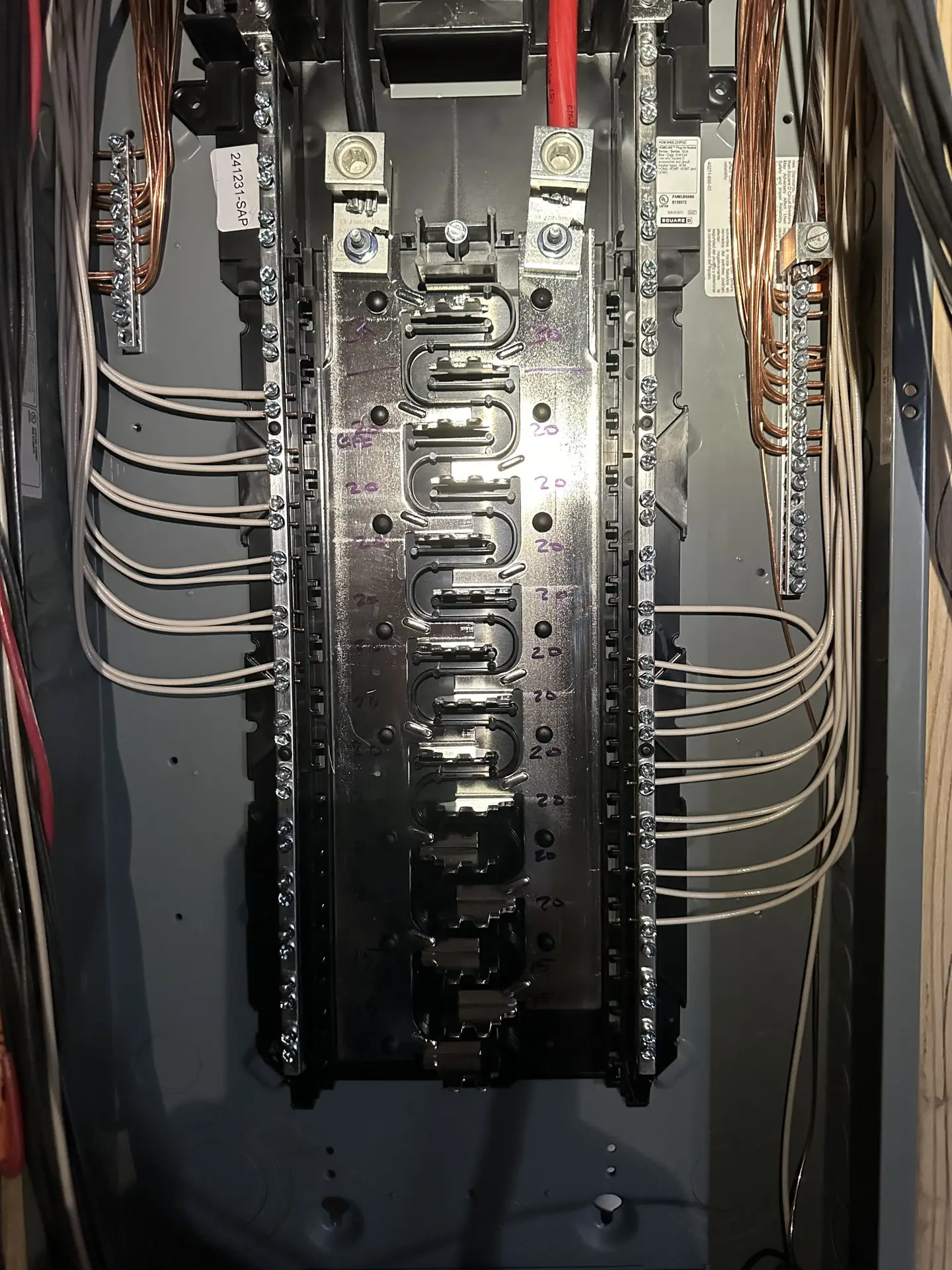
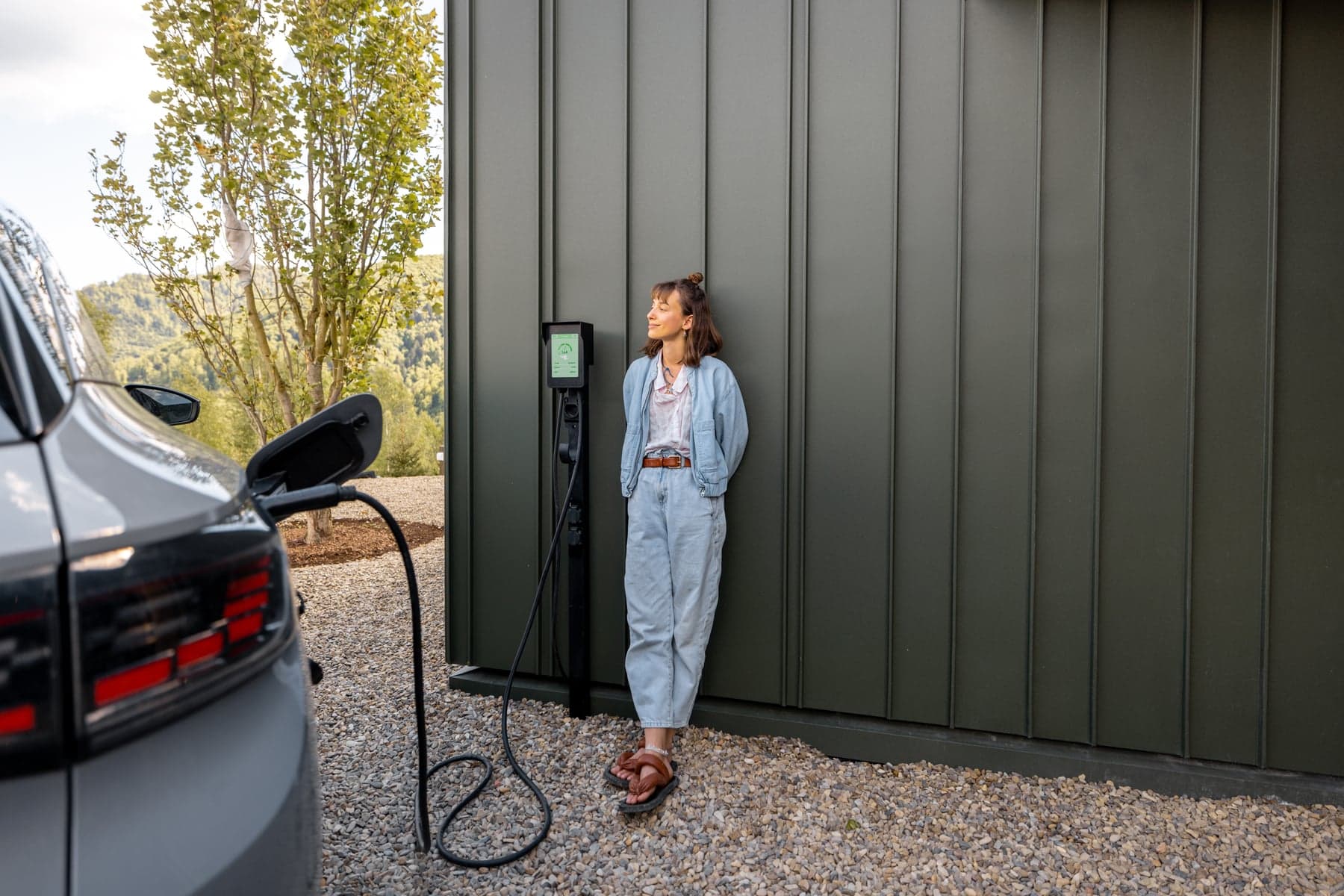
Need an electrician for your Utah home?
Panel upgrades, EV chargers, generators, aluminum wiring, remodels, and everything in between — from a licensed, family-run team that takes the time to explain what we’re doing.